Four universities. One Vision. Shaping sustainable industry together.
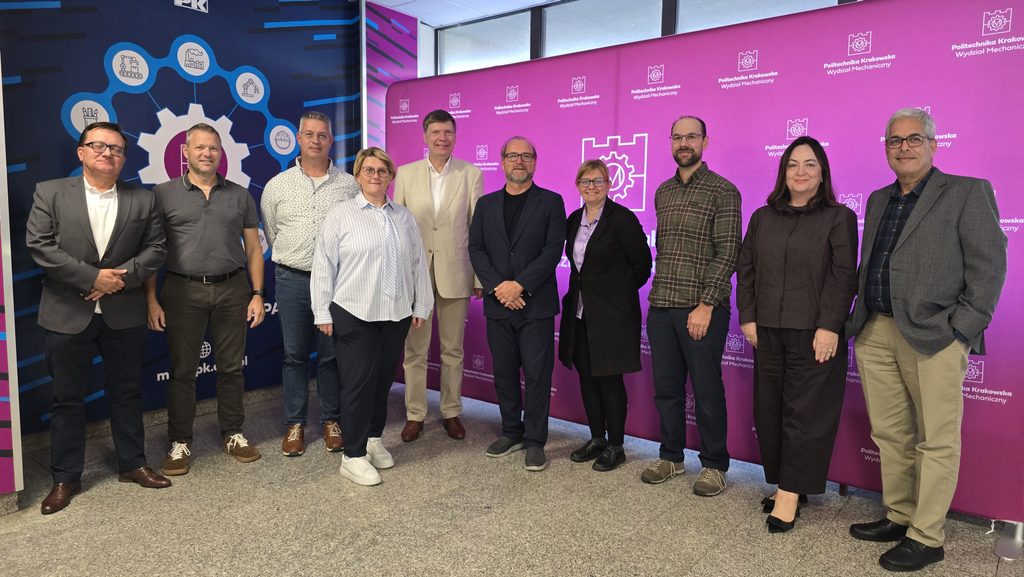
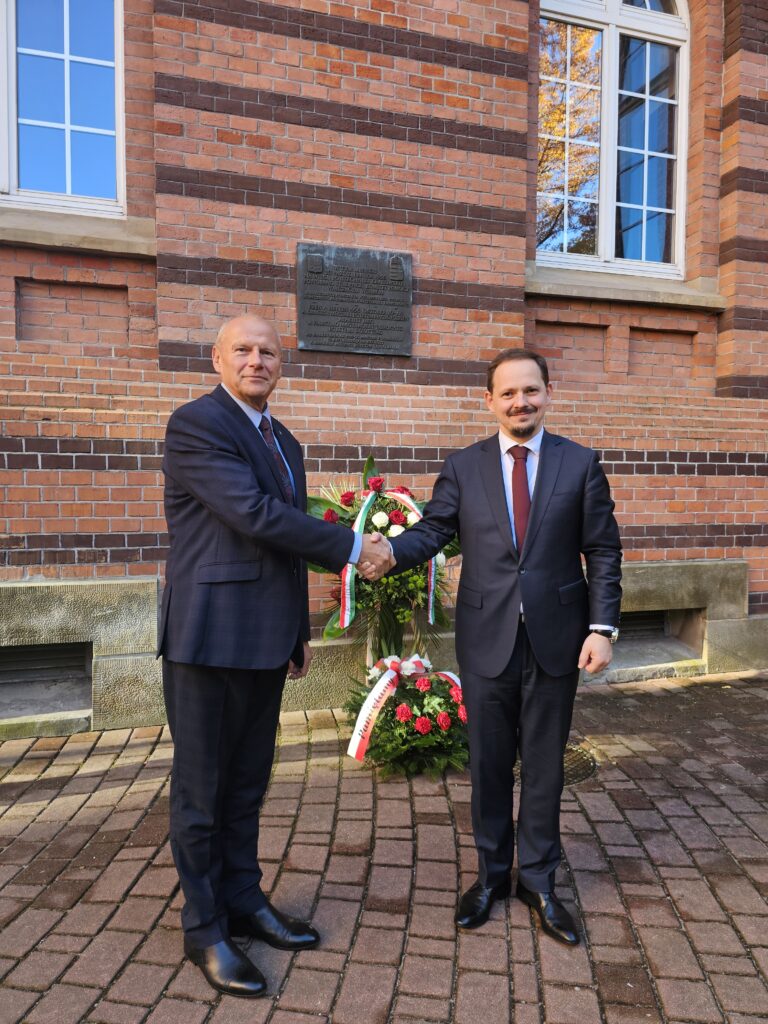
From 28 to 30 September 2026, PK Krakow University of Technology hosted a meeting of the STARS EU Sustainable Industry Thematic Interest Group (TIG). Representatives of University West (Sweden), Hanze University of Applied Sciences (the Netherlands), Bragança Polytechnic University (Portugal) and PK Krakow University of Technology met at the Faculty of Mechanical Engineering to define the group’s strategy for 2026-2028 and agree on priorities for future cooperation in research and education.
Strategy and cooperation
The main goal of the three-day meeting was to set a clear path for the further development of the Sustainable Industry TIG. Much of the discussion focused on the 2026-2028 strategy and on activities planned for the 2026/2027 academic year. In research, participants explored joint research proposals and ways of strengthening mobility for researchers and PhD candidates across the alliance. The partners also discussed how to combine their expertise and research infrastructure to address challenges of sustainable industrial development. In education, they agreed to continue work on joint and double degree programmes and discussed new Blended Intensive Programmes (BIPs) dedicated to Sustainable Industry.
Laboratory visits
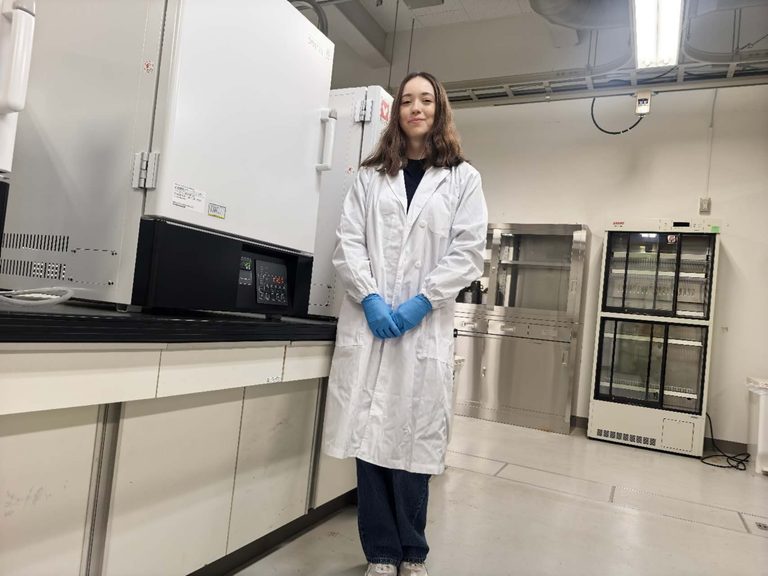
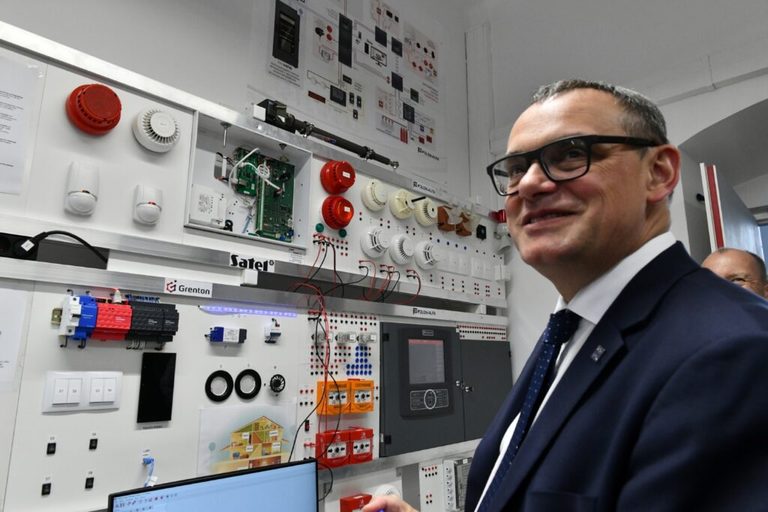
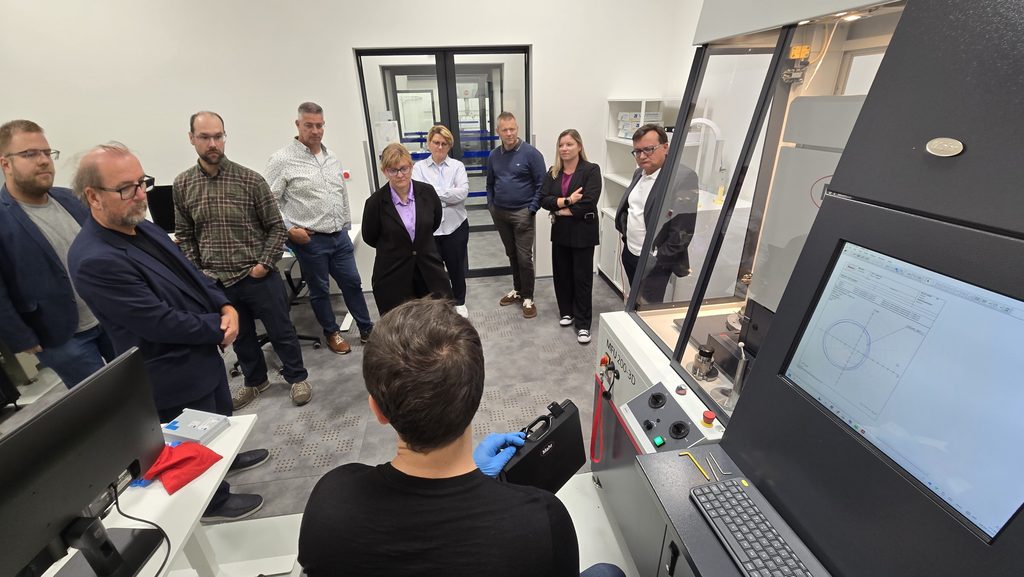
The programme began with visits to laboratories at the Faculty of Mechanical Engineering. The guests learned about the Faculty’s research infrastructure and current projects, and the visits led to direct discussions between researchers and helped identify new areas for collaboration within STARS EU.
Teaching: when smart is not sustainable
The visit also included a teaching component. Prof. Luís Frölén Ribeiro from Bragança Polytechnic University delivered an 8-hour seminar, “When Smart Is Not Sustainable: Digital Parasitism in AI-Driven Industrial Automation“, as part of the course Information Integration in Industry 4.0. It was taught in English to approximately 20 students of Automation and Robotics
The seminar offered a critical perspective on the growing use of AI, automation and digital technologies in industry, asking whether making a process “smarter” necessarily makes it more sustainable. Students examined the difference between operational efficiency and real reductions in energy and material consumption, as well as rebound and scale effects, the environmental impact of digital infrastructure, digital twins, the Industrial Internet of Things and robotics. They also learned to distinguish digitalisation that genuinely supports sustainability from digitalisation that does not translate into better environmental outcomes. The teaching mobility also strengthened cooperation between Bragança Polytechnic University and PK Krakow University of Technology within the TIG.
Participants
- Dr Mikael Ericsson, University West, Sweden – Sustainable Industry TIG Leader
- Prof. Marek Kozień, PK Krakow University of Technology – Sustainable Industry TIG Co-Leader
- Prof. Shrikant Joshi, University West, Sweden
- Dr Fabian Hanning, University West, Sweden
- Dr ir. Viktória Houwing, Hanze University of Applied Sciences, the Netherlands
- Doc. Geert Mollema, Hanze University of Applied Sciences, the Netherlands
- Prof. Luís Frölén Ribeiro, Bragança Polytechnic University, Portugal
- Prof. Larysa Ribeiro, Bragança Polytechnic University, Portugal
- Prof. Bogdan Szybiński, PK Krakow University of Technology
- Prof. Ksenia Ostrowska, PK Krakow University of Technology
- Dr Eng. Janusz Pobożniak, PK Krakow University of Technology
Final day at the Polish Aviation Museum
On the last day, the TIG representatives held a business meeting at the Polish Aviation Museum in Kraków and then joined the ceremonial inauguration of the 2026/2027 academic year at the Faculty of Mechanical Engineering. The meeting strengthened cooperation between STARS EU partners and established a common framework for the Sustainable Industry TIG for the coming years. With a stronger focus on joint research, researcher and PhD mobility, innovative educational formats and direct exchange with students, the TIG aims to make full use of the expertise across the alliance and contribute to a more innovative and sustainable European industry.
Text and photo: Adam Sadło, edited by: Marcin Bielowicz