From Mineral to Market: Research-Driven Innovation Revives Poland’s Only Diatomite Mine
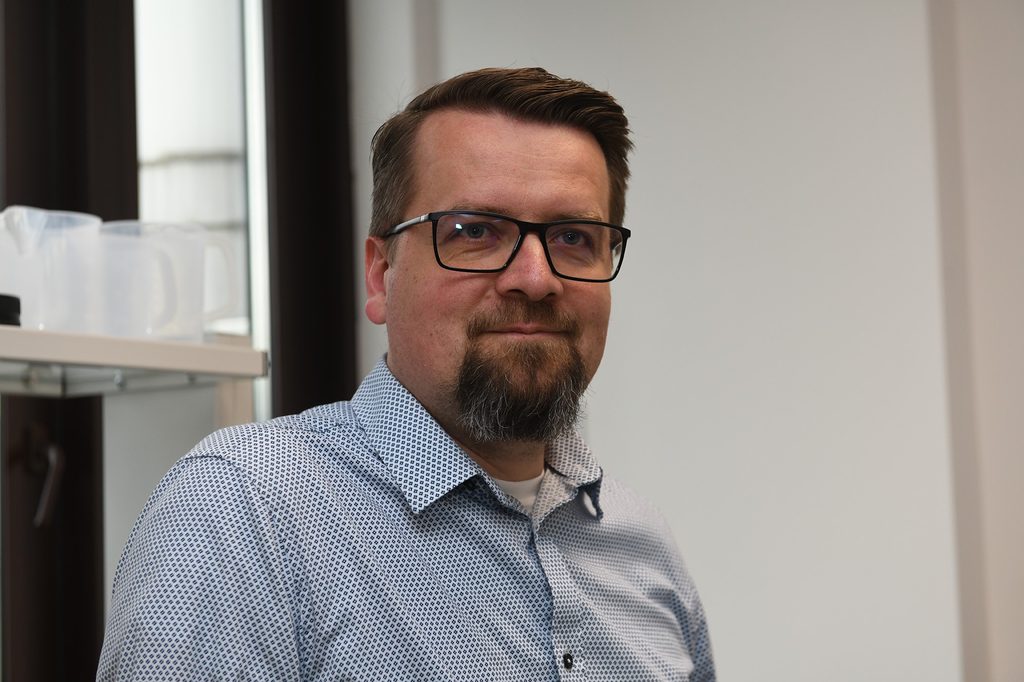
A strategic partnership between the PK Krakow University of Technology and the mining sector has helped transform the diatomite mine in Jawornik Ruski into a modern and competitive production facility. Through advanced R&D, scientists supported the implementation of new technologies that strengthened the market position of a unique domestic resource and contributed to a 65% increase in company revenue.
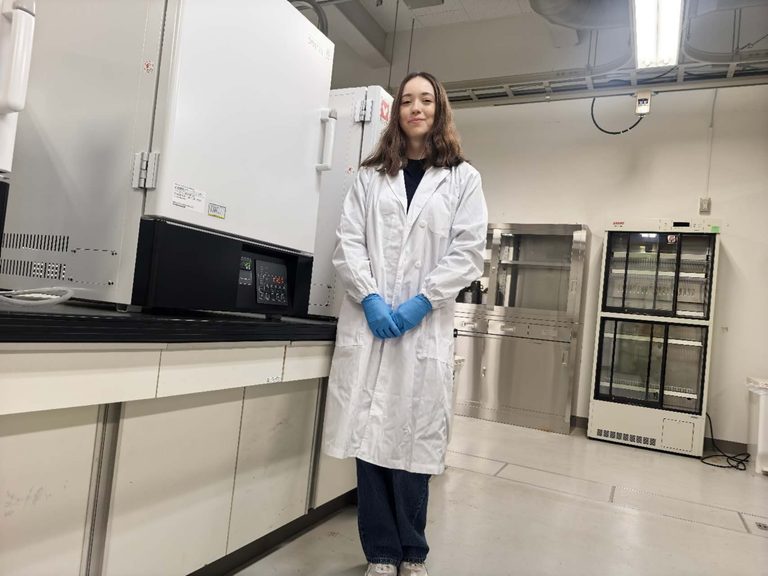
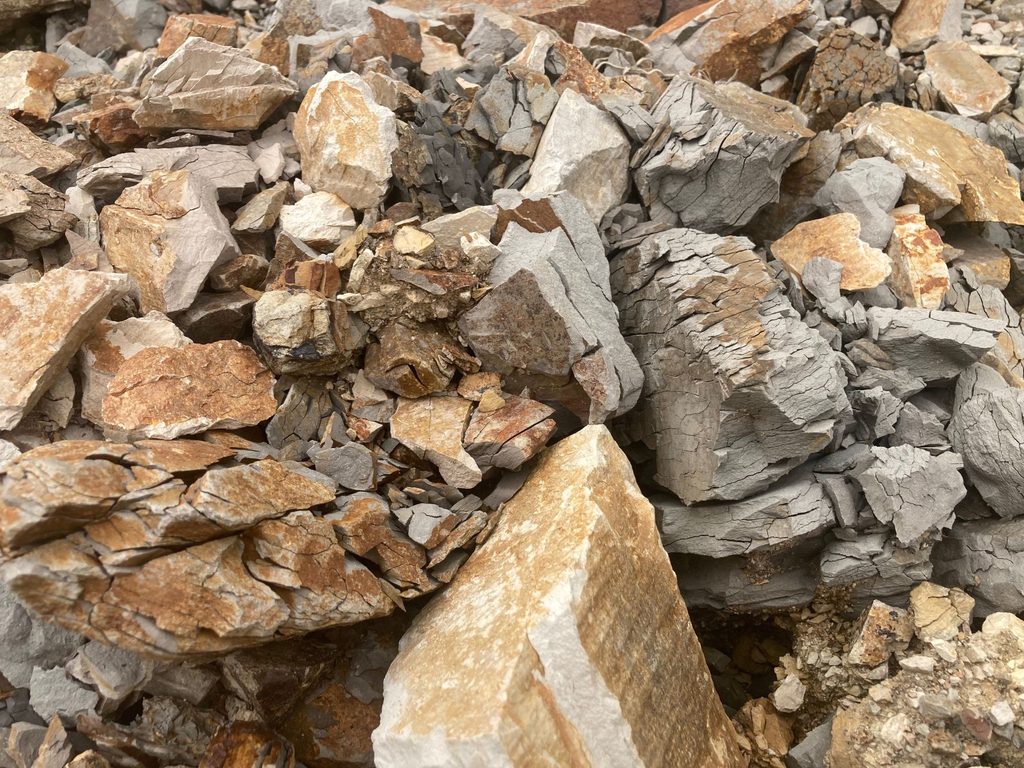
For years, Poland’s only diatomite mine struggled to compete with imported raw materials. Despite growing global demand for diatomite, a sedimentary rock valued for its filtration and absorption properties, local production lacked the technological capabilities required to enter higher-value market segments. This situation finally changed through a collaborative EU-funded research project led by Prof. Michał Łach from the Faculty of Materials Engineering and Physics at the Cracow University of Technology. By leveraging advanced laboratory infrastructure, the research team developed innovative processing technologies that expanded the industrial applications of Polish diatomite and improved production efficiency.
Breakthrough Products for Industrial Applications
The cooperation between university researchers and the mine operator Górtech led to the development of several specialised product lines, thereby opening access to new industrial sectors. High-efficiency sorbents were developed to absorb oil-derived substances and hazardous liquids. Thanks to absorption capacity exceeding 100% of their own mass, these materials are used in environmental protection, industrial safety, and spill-response operations and are currently applied by major industrial users, including such well-known companies such as ORLEN and KGHM, as well as railway and highway infrastructure operators Multifunctional diatomite additives are also used in paints, varnishes, and environmentally friendly agricultural products. They improve corrosion resistance, durability, and support soil water retention, making them suitable for both industrial coatings and agricultural applications. Diatomite-based components for construction materials, including geopolymer systems, were also developed. These materials improve durability and compressive strength and support the development of low-carbon and sustainable building solutions.
Efficiency and Sustainability in Production
The research team also developed a pilot calcination system equipped with heat recovery, enabling even more energy-efficient processing of diatomite. The implementation of these solutions allowed to lower operational costs and reduce environmental impact. The obtained results speak for themselves. Between 2023 and 2025, Górtech recorded a revenue increase of more than 65%, expanded its product portfolio, and entered new market sectors.
Future Directions: Circular Materials and Resource Efficiency
The collaboration between science and business continues through international initiatives such as the GEOSUMAT project, aimed at developing sustainable geopolymer composites based on industrial byproducts. Research efforts are currently exploring the use of waste-derived materials—e.g. fly ash, metallurgical slag, and recycled reinforcement components—as raw materials for modern construction systems. More than ten types of industrial byproducts have already been evaluated, leading to the development of prototype construction elements such as indoor wall cladding.
Bridging science and industry
The succesfull transformation of the Jawornik Ruski mine confirms how effective cooperation between researchers and industry can strengthen the competitiveness of domestic resources. By translating laboratory research into industrial-scale solutions, CUT continues to demonstrate the role of science as a driver of technological progress, economic growth, and sustainable development.