Circular Bioeconomy and Sustainable Innovation: International BIP Programme at PK KUT
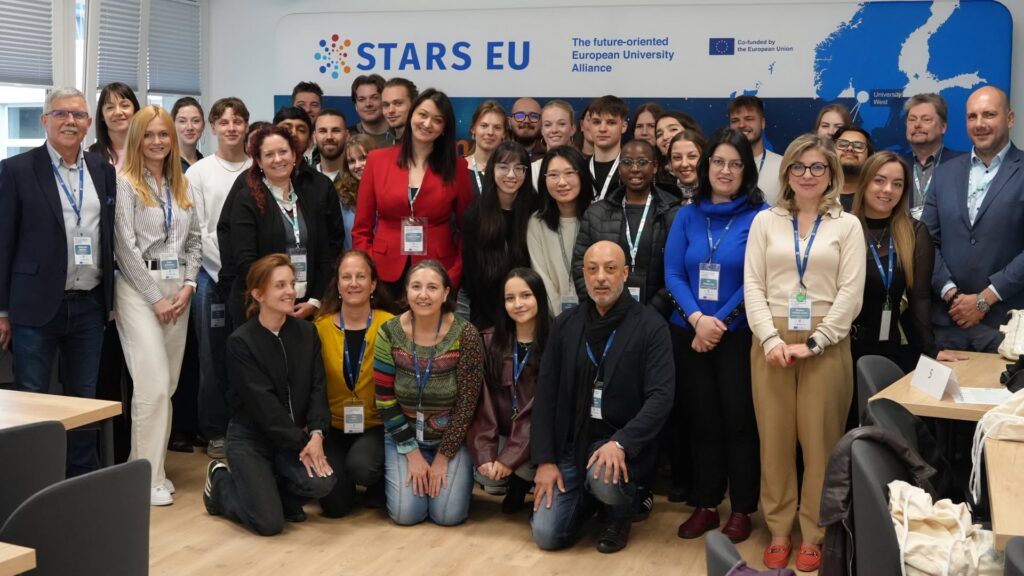
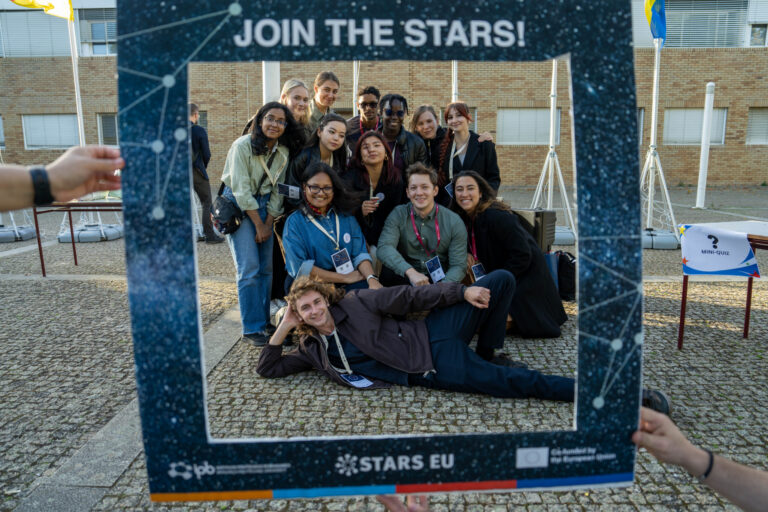
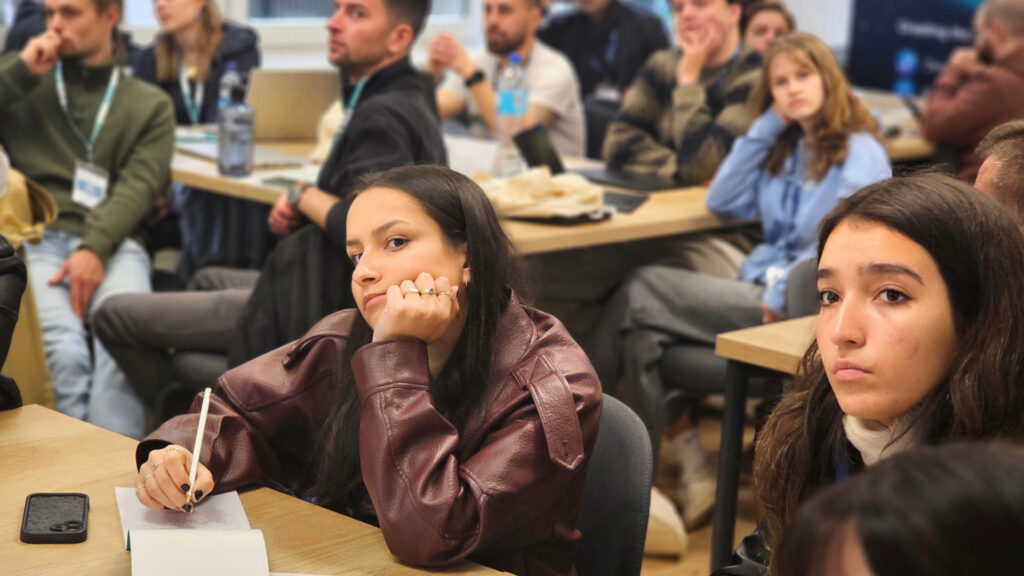
PK KUT has once again served as the host for a major international educational initiative under the STARS EU alliance. In May 2025, the university welcomed students and academics from across Europe for the Blended Intensive Programme (BIP) titled “Circular Bioeconomy and Sustainable Innovation”, an interdisciplinary programme exploring the intersections of bioeconomy, circular economy, and responsible innovation. The programme brought together 28 students and 12 professors representing 8 partner universities from 9 European countries: Poland, Sweden, the Netherlands, Germany, Portugal, Czechia, Spain, and Albania. Alongside Cracow University of Technology, the participating institutions were University West (Sweden), Hanze University of Applied Sciences (the Netherlands), Hochschule Bremen (Germany), Polytechnic Institute of Bragança (Portugal), Silesian University in Opava (Czechia), University of La Laguna (Spain) and Aleksandër Moisiu University of Durrës (Albania).
A Hybrid Format Designed for Deep Collaboration
The programme was delivered in the Erasmus+ Blended Intensive Programme format, combining an extensive online phase with an intensive week of in-person activities held at our university from 18 to 22 May 2025. Students came from diverse academic backgrounds, e.g. chemical engineering, biotechnology, business, sustainable development, entrepreneurship, and IT, making the exchange of knowledge and perspectives a central feature of the entire programme. The online phase included international lectures and workshops covering a wide range of topics, covering the fundamentals of bioeconomy, circular business models, life cycle assessment, biomaterials, biotechnology, and the use of renewable raw materials. This laid the theoretical groundwork for the practical, project-based work that followed in Kraków.
Project Work: Real Challenges, Real Solutions
The highlight of the week in Kraków was intensive project work conducted in interdisciplinary, international teams, as each group was deliberately composed of students from different universities, countries, and fields of study. This cross-functional structure was designed to encourage participants to approach environmental and economic challenges from multiple angles, combining technical, business, and social perspectives. The project topics focused on practical dimensions of the circular economy and sustainable development. Each team worked under the guidance of mentors and academic experts, with sessions structured to move from problem analysis through concept development to a fully articulated project proposal. The challenges addressed included:
- The Circular Campus Challenge – designing more circular and resource-efficient academic campuses
- Feasibility Study on Biochar Production from European Olive Oil Industry by-products – exploring waste reclamation opportunities in the agricultural sector
- Green Campus Initiative: adapting circular economy practices for sustainable development
- Transforming food waste or food residue into high-value bio-based ingredients
- Titanium – The Element of Surprise – investigating sustainable applications of titanium-based materials
- The CTB Green Corridor Challenge – developing solutions for greener logistics and supply chains
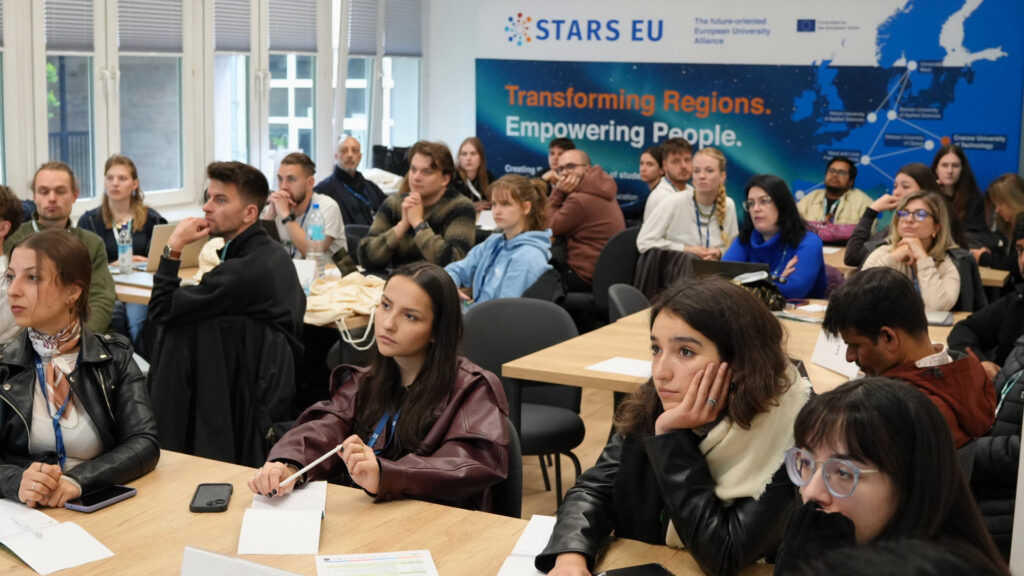
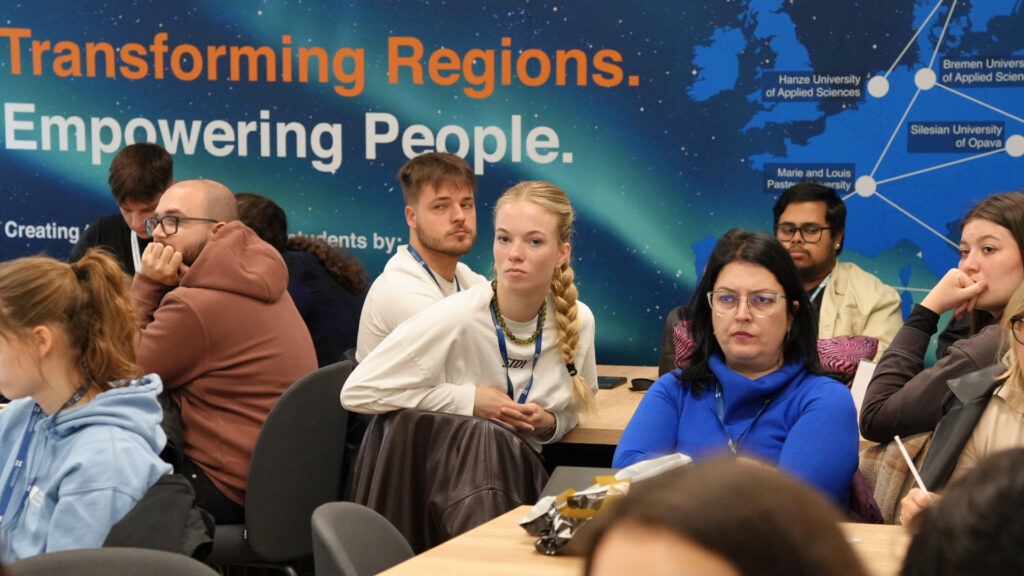
Beyond the Classroom: Study Visit, Networking, and Kraków guided tour
The week’s programme extended well beyond the lecture hall. Participants took part in a study visit to KLGS in Pcim, gaining direct insight into industrial practice and the real-world application of sustainable solutions in a business context. The visit complemented the academic work with an applied, hands-on dimension.Alongside the project sprints and expert lectures, the programme included a range of networking and integration activities, allowing participants to build lasting international academic relationships. For many, the week in Kraków was also their first encounter with the Polish academic environment and the city itself — its history, culture, and vibrant student life.
Coordination and Academic Team
The programme at Cracow University of Technology was coordinated byKatarzyna Matras-Postołek, PhD, Eng., prof. CUT, Vice-Dean of the Faculty of Chemical Engineering and Technology. She was joined by leading academics from all STARS EU partner institutions, including Prof. Annabella Loconsolo (University West), Pavel Adamek, PhD (Silesian University in Opava), Daniela Hendrikse, PhD (Hanze University of Applied Sciences), Anja Noke, PhD (Hochschule Bremen), and representatives of the Polytechnic Institute of Bragança and the remaining partner universities.
What Next?
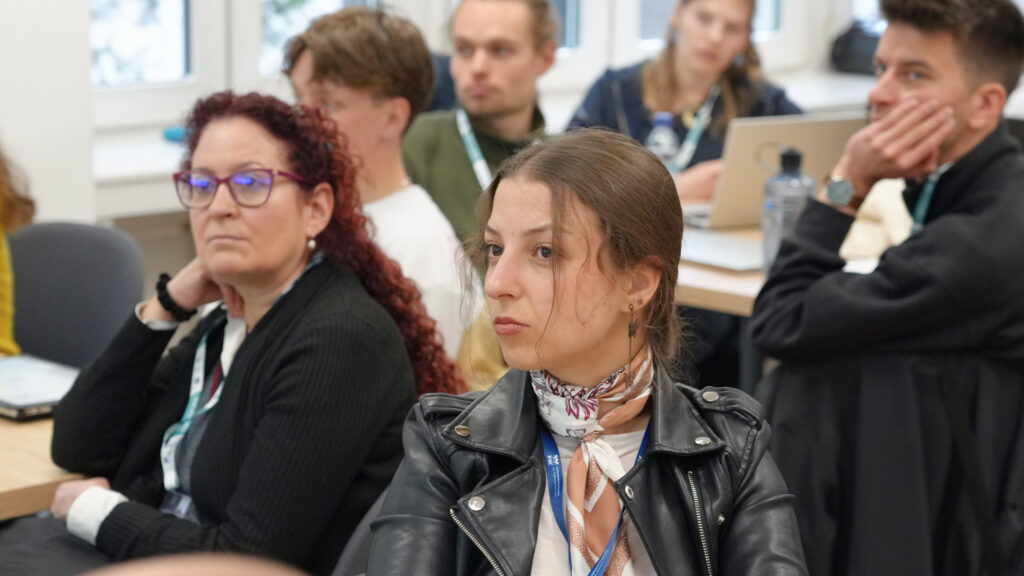
Although the physical mobility in Kraków has concluded, the work continues. Teams will be collaborating online until the end of June, refining their concepts and preparing final deliverables. The programme will end on 23 June 2026, when all groups will present their completed projects and submit final reports developed by their international, interdisciplinary teams.
STARS EU Alliance
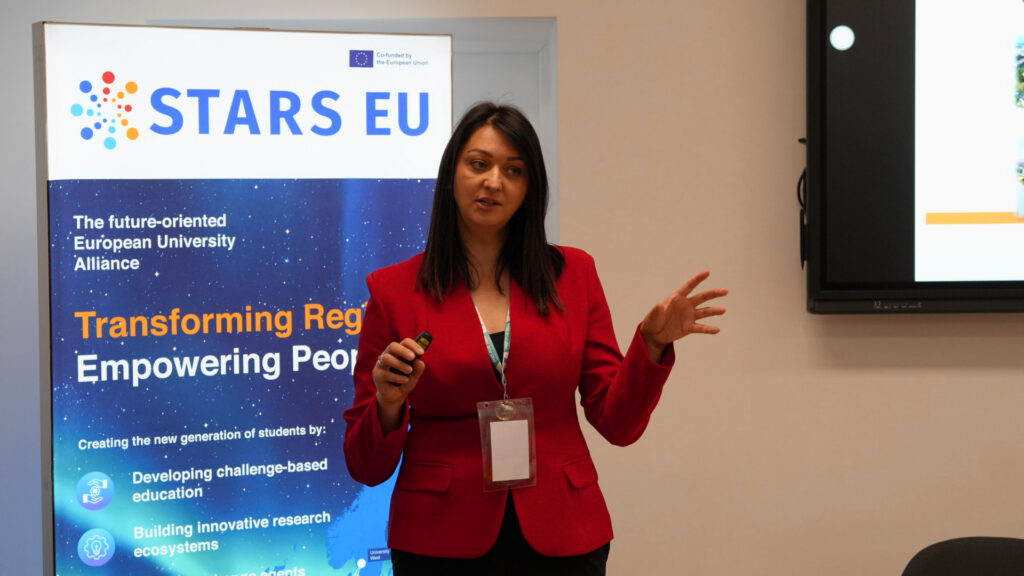
STARS EU is a European university alliance uniting institutions from nine countries around a shared commitment to innovative education, research, and international mobility. Together, the alliance’s members develop programmes that build future-ready competencies and respond to contemporary social, technological, and environmental challenges. The BIP “Circular Bioeconomy and Sustainable Innovation” is one such initiative — and Cracow University of Technology’s active role in it reflects the university’s long-standing engagement with European academic cooperation.
More information at: starseu.org
Photos by: Anna Drabczyk, Adam Sadło, and Marcin Bielowicz